



Popular Installation Services
Broadloom and Carpet Tile
Commercial carpet has evolved far beyond traditional broadloom. Today's options include modular carpet tile, woven Axminster, highly customized patterns, specialty textile composite flooring, hybrid resilient-carpet systems, and entrance flooring engineered for demanding commercial environments.
At Commercial Flooring Services, we help general contractors, architects, designers, facility teams, and building owners navigate those choices - and turn the right product into a finished installation.
From corporate offices and schools to healthcare facilities, churches, hospitality spaces, and public buildings, we consider how the space will actually be used: traffic, acoustics, maintenance, aesthetics, replacement strategy, project schedule, budget, and long-term expectations.
The goal isn't simply to select carpet. It's to select the right carpet system for the application - and to ensure it is installed correctly by factory-trained and certified installers.

"We are often the last ones in. Thus, we are invested in every other stakeholder's success on the project."
- Grant Petruzzelli, President
Commercial Carpet Solutions
More Options. Better Decisions.
From custom-designed broadloom in premier venues to modular carpet tile in offices and schools, Commercial Flooring Services sources, sells, and installs carpet styles and patterns built for commercial life.
Carpet is still widely used in commercial applications, as it combines acoustic benefits with comfort under foot, all without compromise to stain resistance and performance.
Different spaces place very different demands on carpet. A private office, school corridor, worship center, hotel ballroom, hospital administrative area, and building entrance shouldn't automatically receive the same solution.
CFS works across a broad range of commercial carpet constructions and installation systems, helping project teams match product, performance, design, and budget to the realities of each space.
Popular Carpet Types:
Modular Carpet Tile
Flexible by design. Practical by nature.
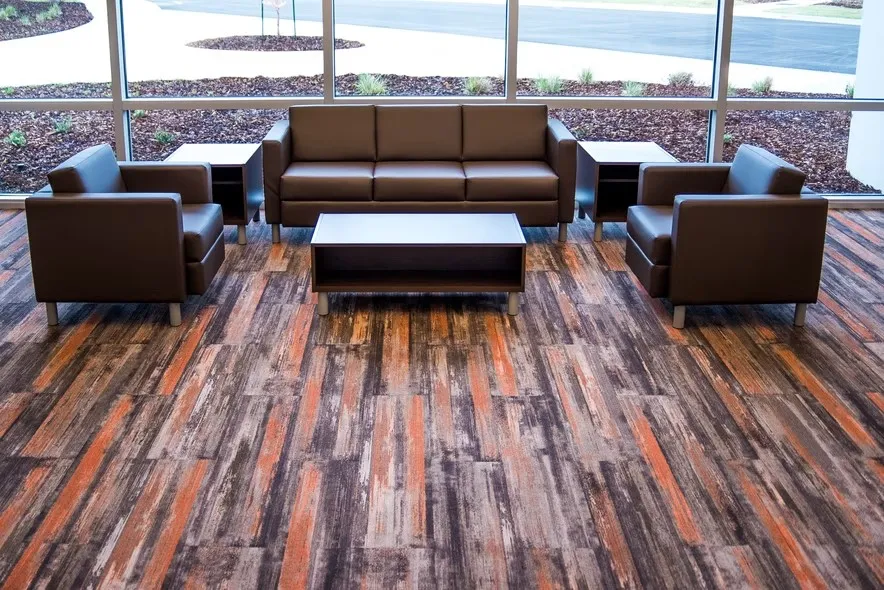
Modular carpet tile has become a workhorse of commercial interiors for good reason. It offers extensive design flexibility while allowing individual modules to be replaced when localized damage, staining, or future changes occur.
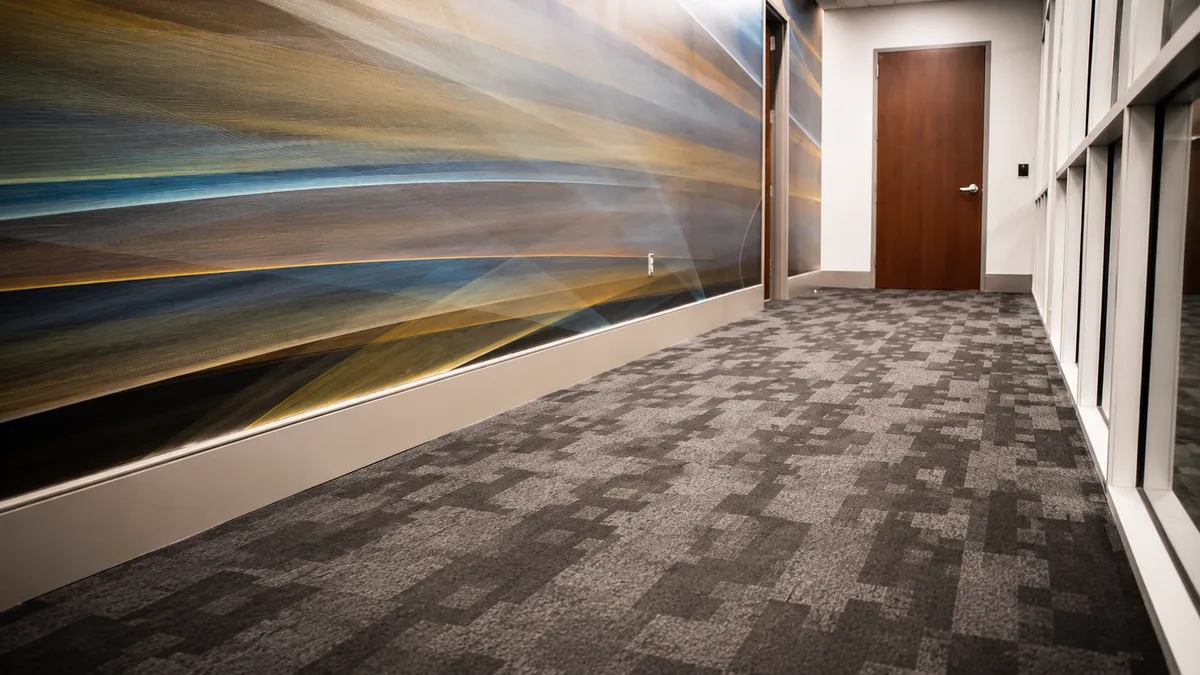
Today's modular collections extend well beyond conventional squares. Planks, varied installation methods, coordinating patterns, color transitions, and custom capabilities give architects and designers tremendous freedom to define spaces without relying on walls or hard transitions.
Carpet tile is frequently considered for corporate, education, healthcare, institutional, civic, and other environments where design flexibility and long-term adaptability matter.
CFS helps project teams evaluate more than pattern and color. Construction, backing system, installation method, traffic conditions, maintenance expectations, transitions, and compatibility with adjacent flooring can all influence the final selection.
Good modular design considers what happens on Day One - and what may need to happen years later.
Woven & Axminster Broadloom
When the floor is meant to make an impression.
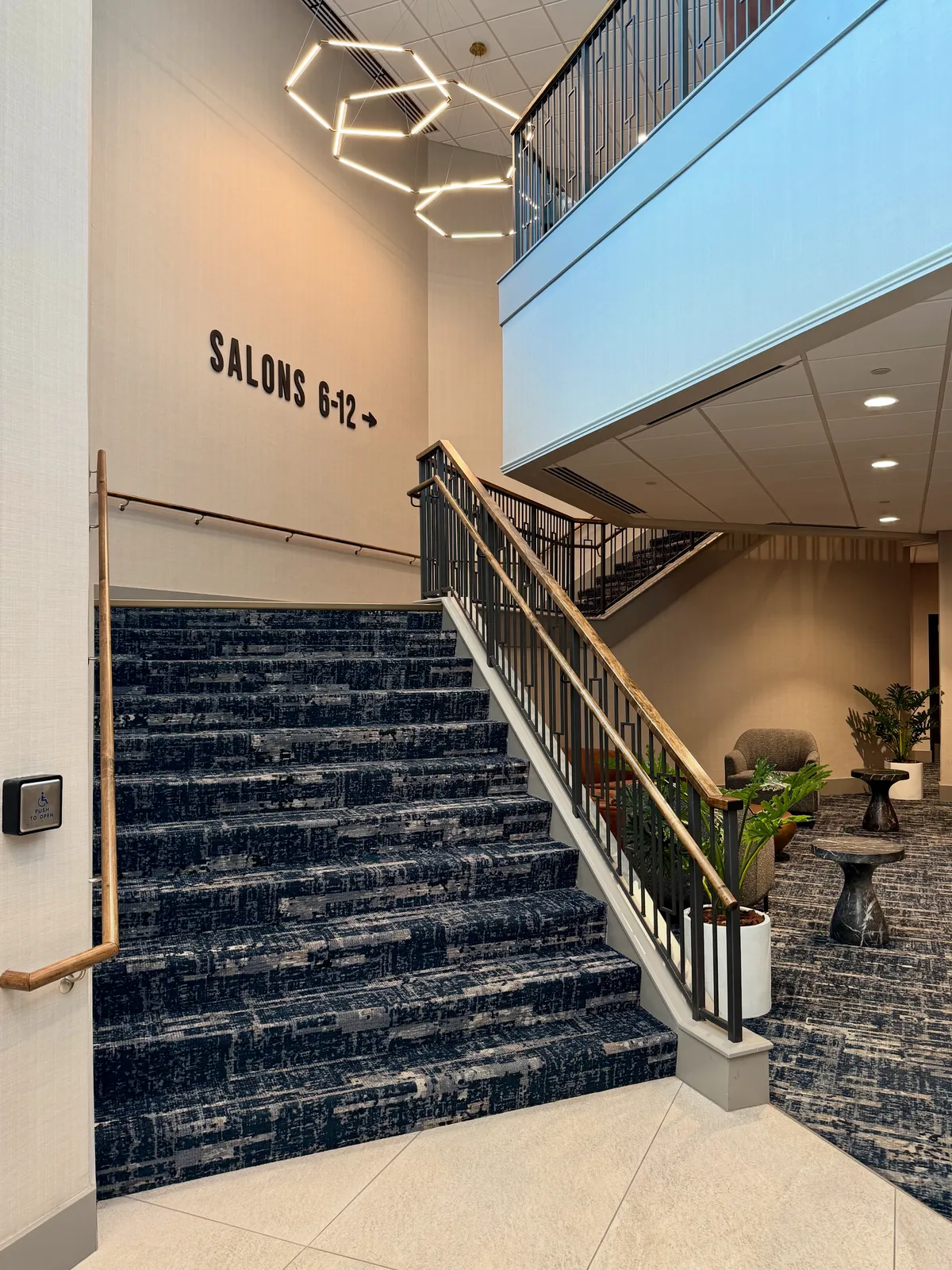
Axminster carpet is a high-end, traditionally woven floor covering known for its exceptional durability, intricate pattern clarity, and luxurious feel. These patterned rolls of carpet are prevalent in high-end applications, including hotels, ballrooms, restaurants, law firms, and event centers, including some of the most recognizable public venues in North Alabama.
Offered in rolled, broadloom format, this carpet remains an important commercial flooring option, particularly where uninterrupted visual continuity, pattern, comfort, acoustics, or a more tailored interior aesthetic is desired.
For highly designed environments, woven Axminster takes that capability significantly further.
Unlike conventional tufted carpet construction, Axminster carpet is woven into an integrated structure that allows sophisticated patterns and extensive color combinations while providing construction intended for demanding commercial applications.
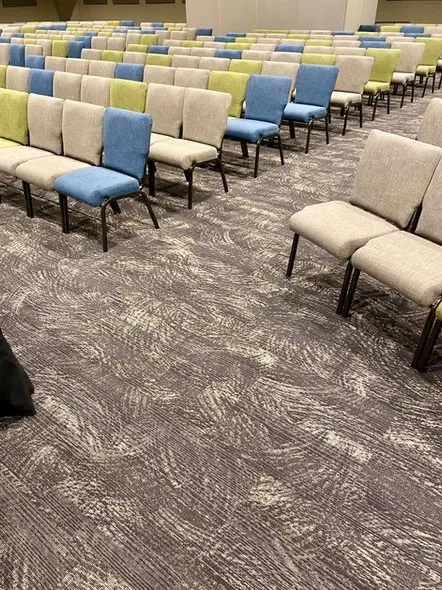
It is particularly compelling for hospitality, worship, performing arts, executive, gaming, club, convention, and other destination interiors where the floor becomes part of the architecture.
For designers seeking exceptional creative freedom, Brintons Axminster offers custom and collection-based solutions. Brintons' High Definition Weave technology can incorporate as many as 32 colors into a design, allowing intricate patterns and large-scale visual statements while using its established 80% wool / 20% nylon Axminster blend.
CFS can work alongside the design and construction team to help translate that vision from product selection through installation.
Custom Carpet Colors and Patterns
Sometimes the right floor doesn't exist yet.
Commercial carpet offers one of the broadest creative palettes in flooring.
Depending on the manufacturer, product platform, quantity, and project requirements, customization may include color development, recoloring existing patterns, custom pattern development, scale adjustments, coordinated modular designs, or fully custom woven carpet. Using running line patterns, colors can be customized into broadloom and carpet tile designs when colors most important to a brand are missing from standard palettes. Additionally, some carpet styles themselves can be customized to incorporate unique shapes or patterns that are critical to each project's design.
That creates opportunities to reinforce branding, complement architectural materials, establish wayfinding, differentiate functional areas, or create a floor specifically for the character of a space.
CFS works with leading commercial carpet manufacturers and their design resources to help architects, interior designers, owners, and contractors understand the possibilities—and the practical considerations that accompany custom flooring.
Customization generally adds 4 - 12 weeks to production, and requires sign-offs when custom "strike-off" samples are made available. These "strike-offs" are cuts of the custom-made material and ensure that the intended design is agreed to prior to being placed into production.
Design ambition and constructability belong in the same conversation.
Walk-Off Carpet & Specialty Entry Systems
The performance of the interior floor starts at the entrance.
An entrance isn't simply another area to cover. It's the transition between exterior conditions and the interior flooring investment.
Tracked-in soil, grit, and moisture can affect appearance, maintenance, and flooring throughout a facility. A properly considered entrance flooring strategy helps address those contaminants where they first enter the building.
CFS provides commercial walk-off carpet and specialty entrance flooring solutions for schools, healthcare facilities, offices, hospitality, churches, public buildings, and other high-traffic environments. In heavy traffic entrances, especially in retail, education, or health care environments, we advocate for the "Six-Step Rule", or the idea that most people need to take about six full steps on the material to clean both shoes completely. When implemented, studies show that Walk-Off Systems reduce maintenance costs dramatically, improving air quality, and protecting other interior surfaces.
Depending on the facility and design, that can include textile walk-off products, modular systems, recessed or surface-mounted entrance products, and coordinated solutions from specialty manufacturers such as Matter Surfaces.
We help project teams consider the entire entrance - not simply select an attractive mat.
Because the question isn't:
“What goes at the front door?”
It's:
“How do we protect everything beyond it?”
Beyond Conventional Carpet
Specialty Flooring Systems Worth Considering
Some applications don't fit neatly into the traditional choice between broadloom, carpet tile, and hard surface.
That's where specialty systems can become particularly valuable. CFS works with innovative commercial flooring technologies that give designers, contractors, and facility professionals additional ways to solve project-specific challenges.
Tarkett's Powerbond® is one of those unique products...
Tarkett Powerbond®
A Different Approach to Commercial Soft-Surface Flooring
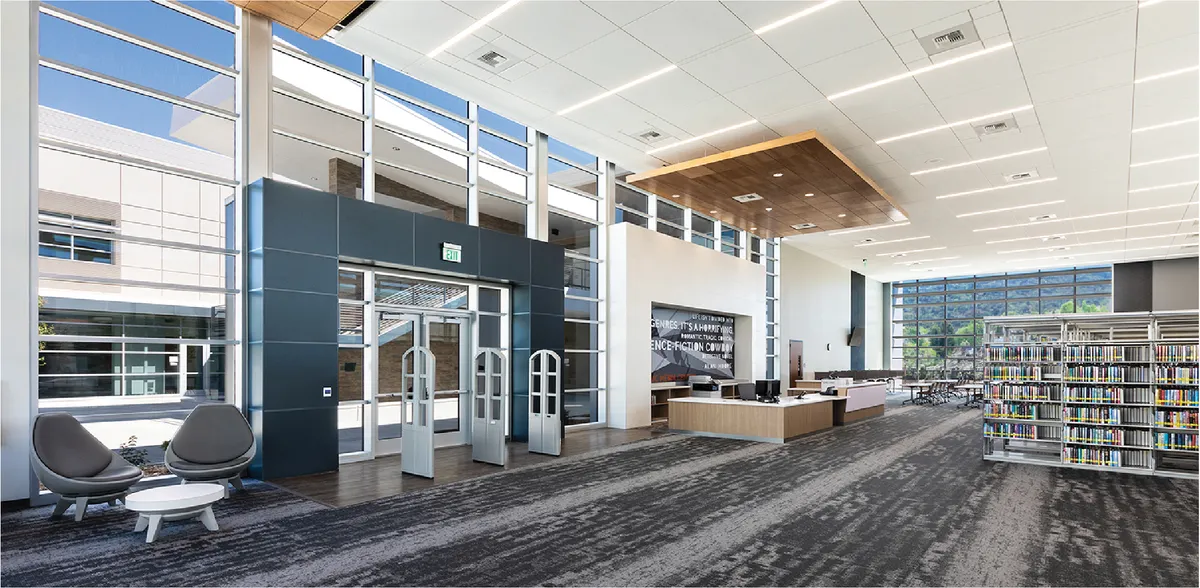
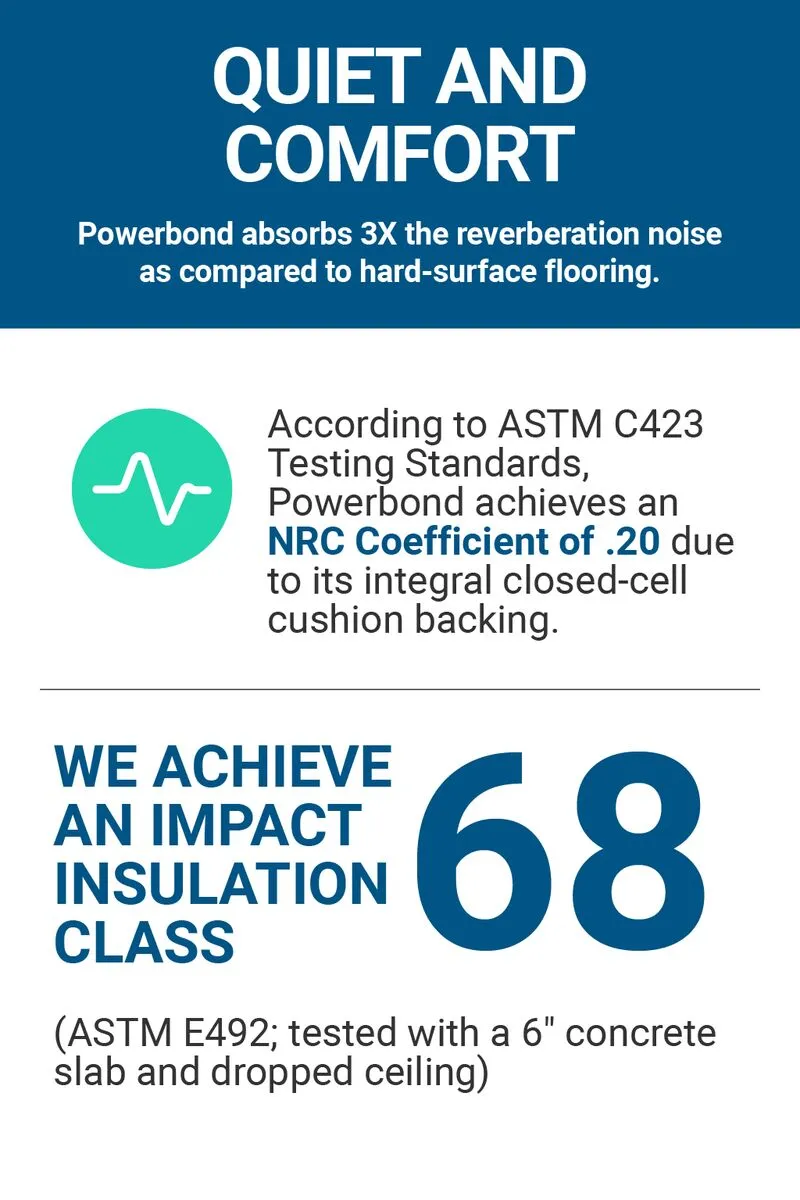
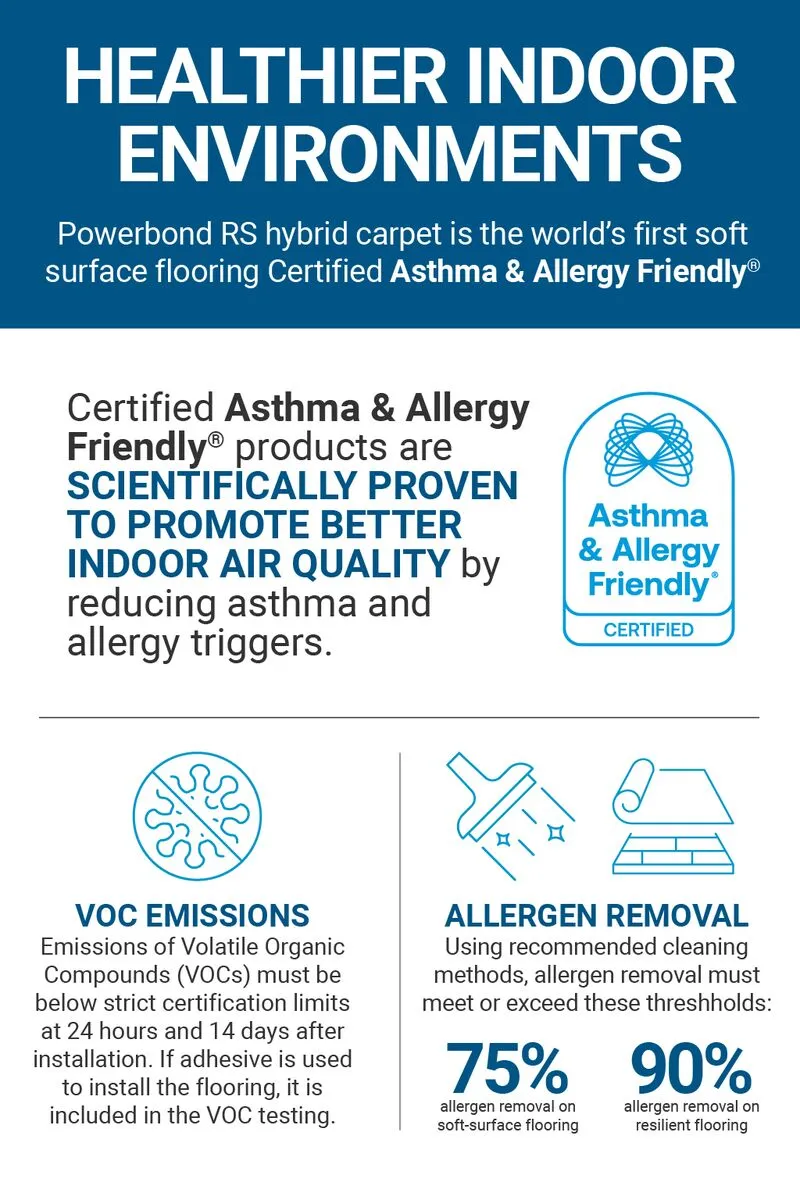
Powerbond® occupies a distinctive position in commercial flooring.
Rather than treating carpet simply as a decorative textile installed over a floor, Powerbond is a specialized commercial flooring system developed by Tarkett for applications requiring a different approach to soft-surface performance.
For the right environment, that distinction matters.
CFS can help project teams evaluate Powerbond alongside conventional modular carpet, broadloom, and other commercial flooring options based on the specific requirements of the project.
As a Tarkett commercial flooring partner, we can also help architects, contractors, and owners navigate complementary Tarkett products when projects move between carpet, resilient flooring, and specialty applications.
Not every project needs a specialty system. Knowing when one deserves consideration is part of our job.
Specification Note: Powerbond product selection, adhesives, installation requirements, substrate conditions, and applicable warranties should always be verified against the current Tarkett technical documentation for the selected product. Tarkett requires Powerbond® Certified Installers for warrantable installations.

Commercial Carpet Manufacturers
The Right Product Starts With the Right Partners
CFS works with leading commercial flooring manufacturers to give our clients access to a broad range of carpet constructions, aesthetics, price points, performance characteristics, and specialty technologies.
Our commercial carpet resources include manufacturers such as Mohawk Group, Interface, Tarkett, Milliken, Mannington, Shaw Contract and more. But access to products is only part of the equation.
With access to all major brands, we help our clients find the right carpet solution for their needs. Sometimes, that means bundling options from one supplier, reducing costs with fewer shipments and logistical challenges. Other times, it means pulling in the latest designs and innovative styles from a wide-variety of manufacturers to ensure your project stands out in the crowd.
The value of a commercial flooring contractor is knowing what questions to ask before recommending finishes.
CFS helps general contractors, designers, architects, owners, and facility teams compare flooring based on the application - not simply the collection.
Popular Carpet Manufacturers We Partner With:






Choosing Commercial Carpet
Start With the Space - not the Sample
Color and pattern matter. They just shouldn't be the only considerations. Before selecting a commercial carpet system, we encourage project teams to think about the conditions the floor will experience throughout its service life.
Traffic
Who uses the space, how frequently, and where will traffic concentrate? Main corridors, elevator lobbies, classrooms, private offices, worship spaces, waiting rooms, and conference rooms can place very different demands on the same flooring.
Acoustics
In education, workplace, hospitality, worship, healthcare, and multifamily environments, sound can influence the experience of the space. Soft-surface flooring can become part of a broader acoustic strategy when selected appropriately.
Maintenance
How regularly will the flooring actually be maintained? Cleaning equipment, staffing, frequency, stain exposure, entry conditions, and access to occupied spaces should be considered before product selection - not discovered after turnover.
Flexibility & Replacement
One of modular carpet's significant practical advantages is the ability to address localized areas without necessarily replacing an entire room. That can be especially valuable in occupied facilities where furniture changes, stains, damage, renovations, or future reconfiguration are expected.
Design Intent
Flooring occupies a tremendous amount of visual real estate. Pattern, scale, texture, color, installation direction, transitions, borders, and coordination with surrounding finishes can make flooring an active part of the interior architecture rather than simply its background.
Adjacent Flooring
Carpet rarely exists alone. LVT, sheet vinyl, rubber, tile, terrazzo, concrete, wood, and other materials may all meet carpet within the same project. Finished elevations, transition details, installation sequence, and visual alignment should be considered as part of the flooring plan.
Budget & Lifecycle
Lowest material cost and best project value are not necessarily the same thing. Initial cost matters - but so do installation, maintenance, replacement strategy, expected use, aesthetics, and the consequences of choosing a product poorly suited to the application.
Our role is to help project teams see the whole decision.
Which Carpet System Fits Your Project?
Every project is different.
Final selection should be based on the project specification, intended application, substrate and site conditions, manufacturer requirements, installation method, maintenance program, and performance expectations.
Other Services
Explore more solutions

Preconstruction
The best flooring projects begin long before materials arrive on-site. Through budgeting, estimating, design assistance, product selection, and constructability reviews, our team helps owners, architects, designers, and contractors make informed decisions early in the process. By identifying potential challenges before construction begins, we help reduce uncertainty, protect project budgets, and create a smoother path from concept to completion.

Project Management
A successful flooring project requires more than quality installation—it requires coordination. Our project management team works closely with owners, general contractors, design professionals, manufacturers, and field crews to manage schedules, logistics, material procurement, and quality throughout every phase of construction. By staying engaged from planning through closeout, we help projects remain organized, efficient, and ready for occupancy.
Technical Solutions
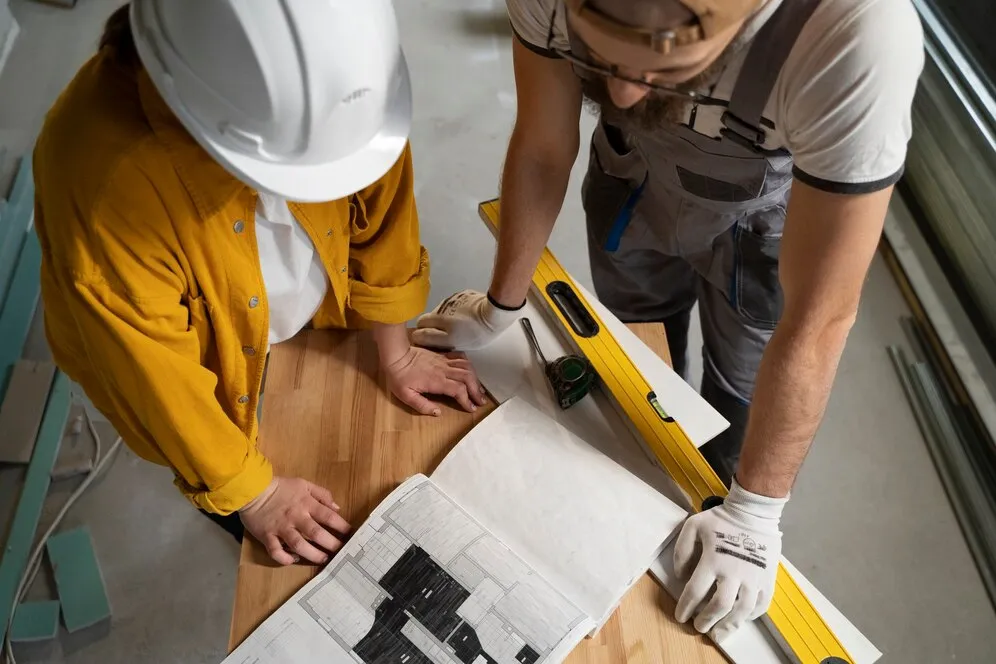
Not every flooring challenge can be solved with a new finish material. Moisture, uneven substrates, damaged concrete, and existing floor conditions all affect long-term performance. Our technical solutions focus on identifying the root cause of these issues and implementing proven remediation systems that create a stable foundation for every installation. It's an approach built on experience, manufacturer partnerships, and a commitment to getting it right the first time.
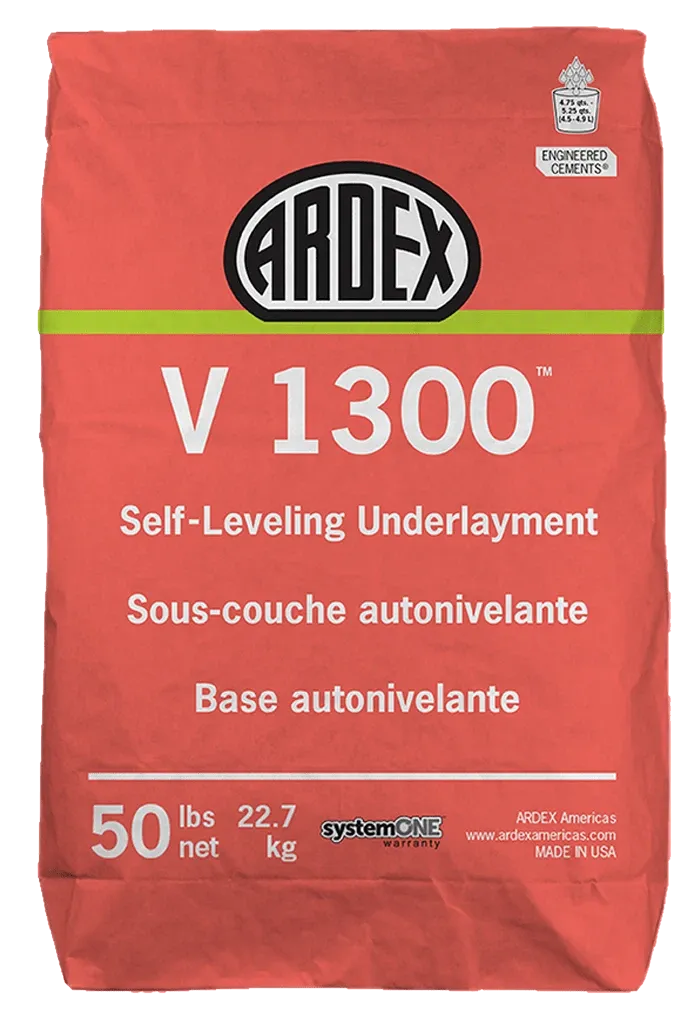
Every Underlayment Product Serves a Unique Purpose
Interested in learning what the right solution is for your toughest substrate condition, we are here to help.
Every day, we help our customers engineer the right system for their needs, from budget to speed to performance, we got you covered!

BUIILDING LEADERS.
INSTALLING TRUST.
DELIVERING RESULTS.
Quick links
Services
© Commercial Flooring Services. 2026. All Rights Reserved.