



Markets
Healthcare Flooring Contractor
Flooring for Hospitals and Patient-Care Facilities That Never Close
Commercial Flooring Services (CFS) installs flooring for hospitals, outpatient clinics, medical office buildings, imaging centers, emergency and urgent care facilities, pharmacies, and dental and veterinary practices across North Alabama and Southern Tennessee. We work directly with healthcare facilities teams and as a flooring subcontractor to general contractors on new construction and renovations.
In healthcare, flooring is part of infection control, patient safety, and the patient experience. It also has to be installed in buildings that operate 24 hours a day, often steps away from patients. CFS plans every healthcare project around both realities. For skilled nursing and rehabilitation facilities, see our Senior Living flooring page.

Hospitals and clinics come to us when they need flooring that supports infection control, patient safety, and staff comfort.
We help them by recommending cleanable, seamless flooring systems and installing in occupied facilities with infection control practices that keep patients and staff protected.
Who Shapes Healthcare Flooring Decisions
Healthcare flooring decisions involve more stakeholders than almost any other building type, and each one judges the floor differently. CFS works to understand every perspective before recommending a system.
Facilities and Plant Operations
Facilities directors need flooring that lasts, installs with minimal disruption, and doesn’t force clinical spaces out of service for repairs. Their focus is lifecycle cost, uptime, and a contractor who can work safely inside an active facility.
Infection Prevention
Infection prevention teams focus on cleanability. Seams, porous surfaces, and damaged flooring can harbor contamination. They expect seamless or heat-welded systems where fluids are present, and strict containment during construction.
Environmental Services (EVS)
Environmental services (EVS) teams clean healthcare floors every day with hospital-grade disinfectants. The flooring has to withstand those chemicals without staining, softening, or voiding its warranty, and it has to be practical to clean with the staff and equipment available.
Nursing and Clinical Leadership
Nurses spend long shifts on their feet, pushing beds and equipment. Clinical leaders care about underfoot comfort, rolling resistance, fall prevention, and noise, which affects patient rest and patient experience scores.
Administration and Capital Planning
Administrators weigh flooring as a capital investment, balancing first cost against lifecycle cost, regulatory compliance, and the impression the facility makes on patients and families.
What Healthcare Flooring Must Do
Support Infection Control
Flooring in clinical spaces needs to be smooth, nonporous, and easy to disinfect. In spaces such as operating rooms and sterile processing, seamless flooring with integral cove base eliminates the joint between floor and wall where contaminants collect.
Withstand Healthcare Cleaning Chemicals
Hospital-grade disinfectants, including quaternary ammonium compounds, bleach, and hydrogen peroxide, can damage some flooring over time. Alcohol-based hand rub is a frequent culprit: drips beneath dispensers can stain or soften certain vinyl and rubber floors. Product selection should account for the facility’s actual cleaning program.
Handle Rolling Loads
Beds, carts, wheelchairs, and portable equipment roll across healthcare floors constantly. Flooring has to resist indentation and wear while keeping rolling resistance low, so staff aren’t pushing harder than they need to.
Reduce Noise
Footfall and rolling equipment noise affect patient rest and recovery, and quietness at night is part of how patients rate their hospital stay. Rubber and acoustic-backed flooring can reduce impact noise in corridors and patient care areas.
Protect Patients and Staff
Slip resistance, smooth transitions, and comfort underfoot reduce fall risks for patients and fatigue for staff. Flooring in exits and corridors must also meet Life Safety Code requirements for interior floor finishes.
Recommended Flooring by Campus Space
How CFS Installs in Occupied Healthcare Facilities
Infection Control During Construction
Construction work in healthcare facilities is governed by an Infection Control Risk Assessment (ICRA), which sets the precautions required based on the type of work and the patients nearby. CFS follows the facility’s ICRA requirements, including containment, dust control, and negative air where required.
Phased and After-Hours Installation
Hospitals can’t close units for flooring work. CFS phases installations room by room or unit by unit, schedules work after hours and on weekends, and coordinates closely with facilities and clinical teams so patient care continues.
Low-Odor, Fast-Return Installations
Patients and staff are sensitive to odors and can’t wait days for a room to return to service. CFS selects adhesives and installation methods that limit odor and allow rooms to return to use quickly.
This can also include moisture mitigation and self-leveling systems, which can be accelerated with emerging products and technology.
Moisture Testing and Substrate Preparation
Fast-track healthcare construction often puts flooring onto slabs that haven’t fully dried, and moisture is one of the most common causes of flooring failures. CFS can test slabs before installation and provide moisture mitigation and substrate remediation when readings exceed manufacturer limits.
As the only ARDEX LevelMaster Elite Installer in Alabama, CFS brings certified substrate expertise to every healthcare project.
Vendor Compliance and Credentialing
Healthcare facilities require contractors to meet vendor credentialing standards before working on-site. CFS maintains credentialing for its crews, including background checks, health and immunization documentation, and required training, so installations start on schedule.
Flooring Programs for Healthcare Systems
Service Agreements
Health systems with multiple facilities use CFS service agreements for ongoing repairs, room renovations, and replacements. Service agreements provide approved products, predetermined pricing, and a single point of contact across campuses.
System-Wide Standards
CFS helps healthcare systems maintain consistent flooring standards across hospitals, clinics, and outpatient facilities, including approved products, attic stock for fast repairs, and consistent installation details.
Group Purchasing Organization (GPO) Contracts
Many hospitals and health systems purchase through group purchasing organizations such as Vizient, Premier, and HealthTrust, which hold contracts with flooring manufacturers. CFS installs GPO-contracted flooring products, helping healthcare supply chain teams use their contracted pricing and stay in compliance with their purchasing agreements.
Healthcare Flooring Projects





Healthcare Flooring FAQs
What is the best flooring for hospitals?
Hospitals typically use sheet vinyl and rubber in clinical areas because they are seamless or heat-welded, easy to disinfect, and durable under rolling loads. Carpet tile and LVT are common in waiting areas and offices. CFS recommends systems based on each space’s infection control, traffic, and maintenance needs.
What flooring is used in operating rooms?
Operating rooms typically use sheet vinyl or rubber with heat-welded seams and integral flash cove base, which creates a continuous surface from floor to wall that is easy to disinfect.
How do you install flooring in an occupied hospital?
CFS installs flooring in occupied hospitals by following the facility’s Infection Control Risk Assessment (ICRA), using containment and dust control as required, and phasing work room by room or unit by unit, often after hours, so patient care can continue.
What is ICRA in healthcare construction?
ICRA stands for Infection Control Risk Assessment. It is a process healthcare facilities use to determine the precautions required during construction, based on the type of work and the vulnerability of patients nearby.
Can hand sanitizer damage hospital flooring?
Yes. Alcohol-based hand rub that drips beneath dispensers can stain or soften some vinyl and rubber flooring over time. Choosing flooring rated for chemical resistance and using drip trays beneath dispensers helps prevent damage.
What flooring is required for USP 797 and USP 800 pharmacies?
Compounding pharmacies require smooth, impervious, and cleanable flooring, typically seamless resinous flooring or heat-welded sheet vinyl with integral cove base. Requirements should be confirmed with the pharmacy’s design team and applicable regulations.
Is rubber or sheet vinyl better for hospital corridors?
Both perform well. Rubber offers superior comfort and noise reduction and often requires no floor finish, while sheet vinyl typically has a lower installed cost. The best choice depends on the facility’s priorities and cleaning program.
Can hospitals purchase flooring through Vizient or other GPOs?
Yes. Group purchasing organizations such as Vizient, Premier, and HealthTrust hold contracts with flooring manufacturers, allowing member hospitals to buy those products at contracted pricing. CFS installs GPO-contracted flooring products for healthcare facilities across North Alabama and Southern Tennessee.
Does CFS work at hospitals outside Huntsville?
Yes. CFS installs healthcare flooring throughout North Alabama and Southern Tennessee.
Planning a Healthcare Flooring Project?
Whether you’re renovating patient rooms, upgrading a surgical suite, or planning flooring across a health system, CFS can help you choose the right systems and install them safely in an active facility.

Built to Support Your Project from Precon to Closeout
Commercial flooring impacts schedule, budget, and long-term performance. We at Commercial Flooring Services work alongside owners, architects, designers, and general contractors to provide the planning, preparation, and installation expertise needed to deliver successful outcomes across every phase of construction.
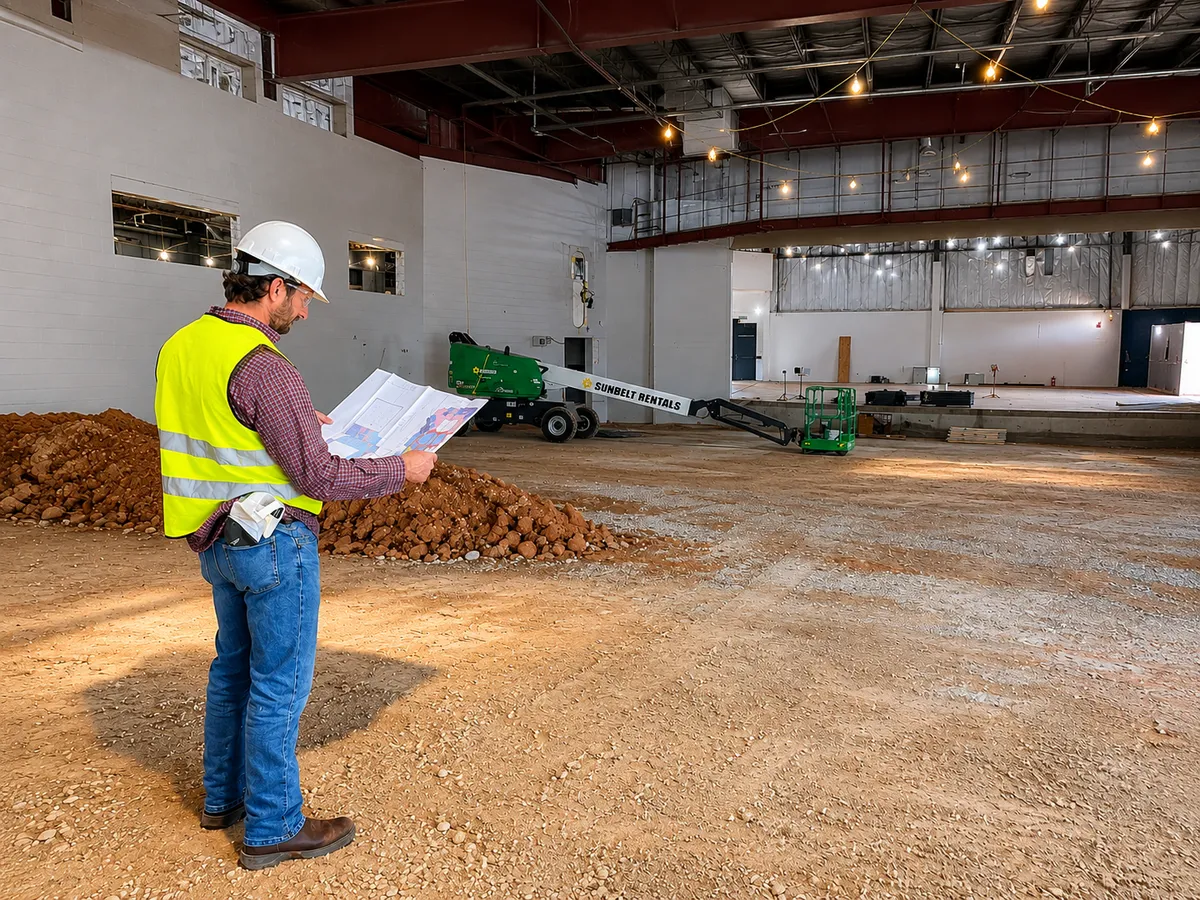
Preconstruction & Planning
Successful flooring projects begin long before installation. We collaborate with owners, architects, designers, and contractors during budgeting, specification review, and project planning to identify opportunities, reduce risk, and keep projects moving forward.
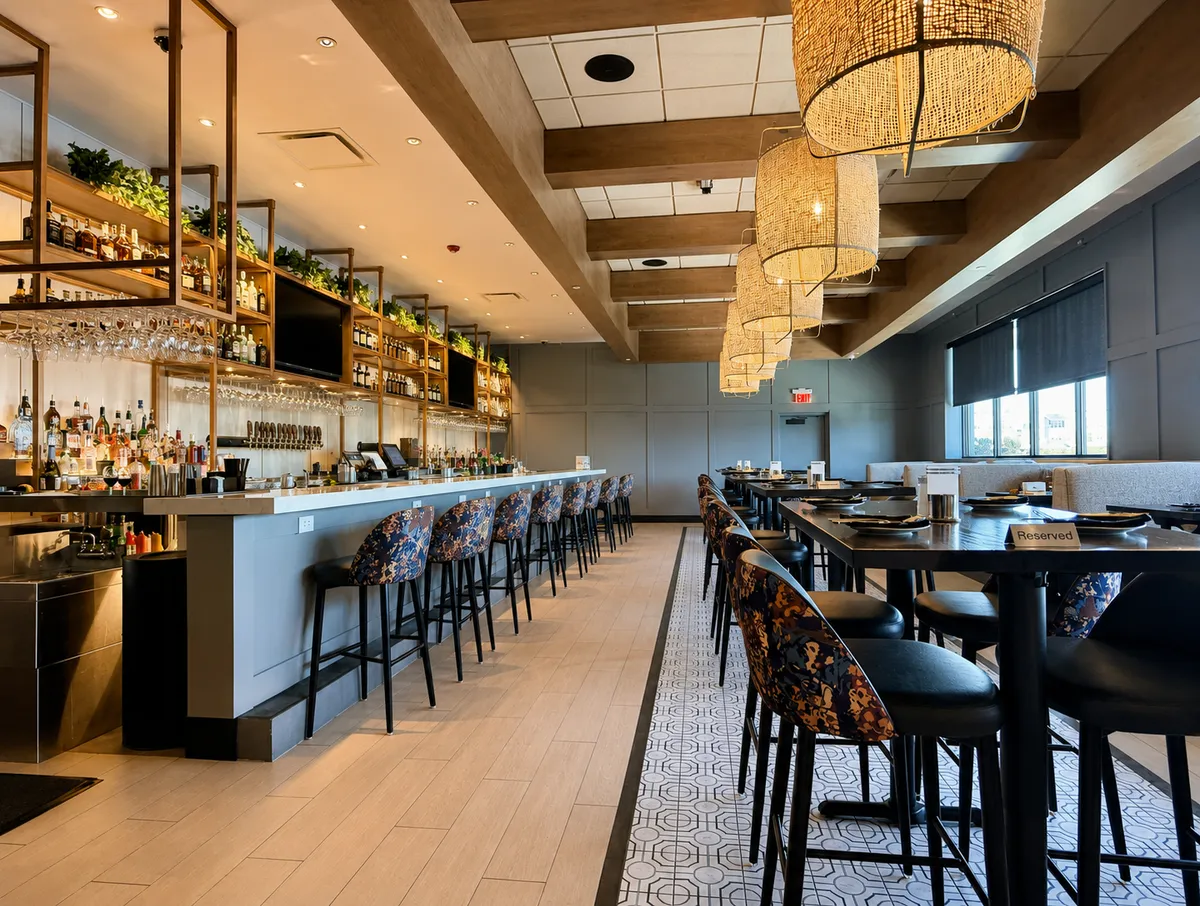
New Commercial Construction
From education and healthcare to corporate, government, and industrial facilities, we provide complete flooring solutions for new construction projects, delivering quality installations that align with project schedules and performance requirements.
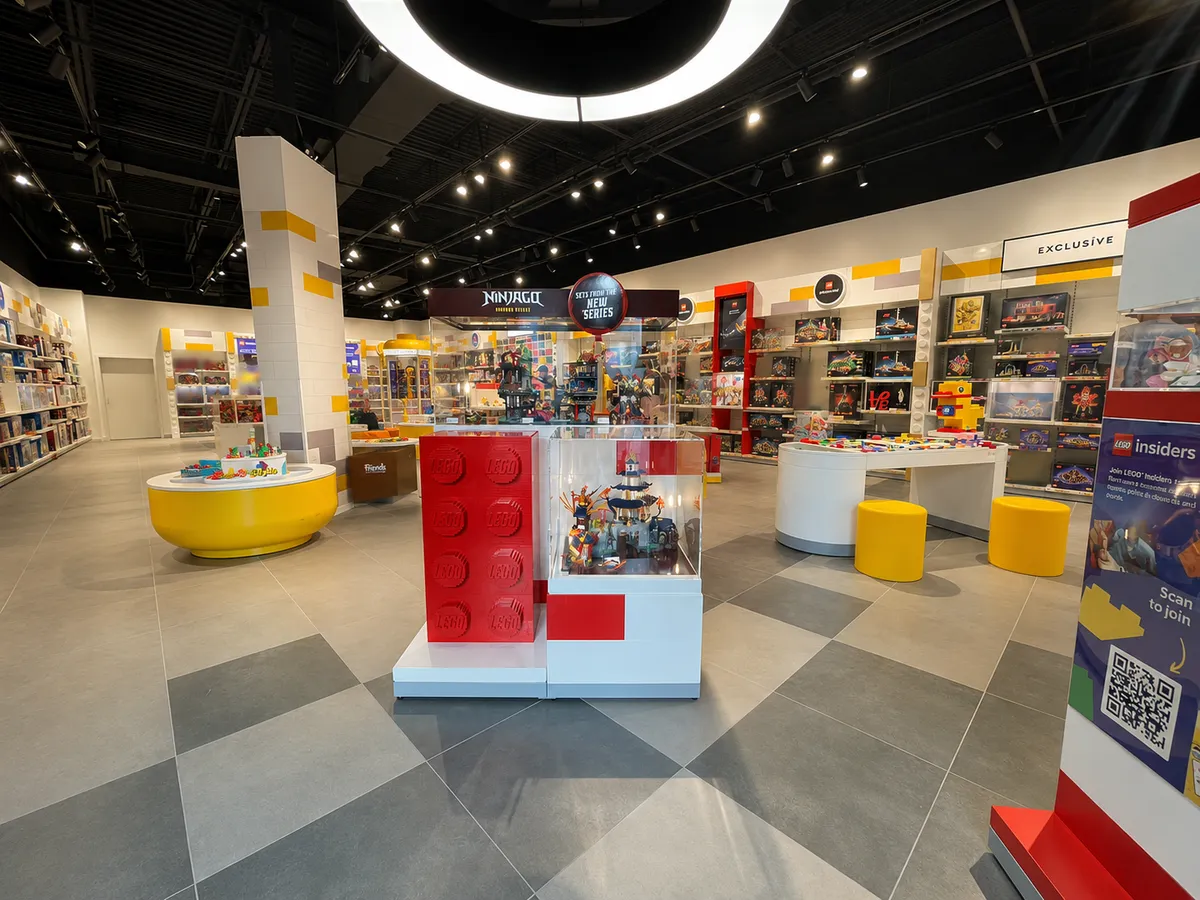
Renovation & Remodeling
Whether updating occupied spaces or revitalizing existing facilities, we help clients navigate renovation projects with minimal disruption, providing flooring solutions that enhance durability, aesthetics, and long-term value for the facilities we serve.

BUILDING LEADERS.
INSTALLING TRUST.
DELIVERING RESULTS.
Quick links
Services
© Commercial Flooring Services. 2026. All Rights Reserved.