



Markets
Senior Living Flooring Contractor
Flooring That Helps Residents Live Safely, Independently, and at Home
Commercial Flooring Services (CFS) installs flooring for senior living communities across North Alabama and Southern Tennessee, including active adult communities, independent living, assisted living, memory care, skilled nursing, and continuing care retirement communities. We work with owners, operators, executive directors, regional facilities teams, designers, and general contractors on new communities, renovations, and resident apartment turns.
In senior living, flooring affects how safely residents move, how easily staff provide care, and whether a community feels like home. And unlike most renovations, the work happens in someone’s home, often with residents who can’t easily relocate. CFS plans every senior living project around both. For hospitals and outpatient care facilities, see our Healthcare flooring page.

Senior living communities come to us when they need flooring that keeps residents safe, independent, and at home.
We help them by recommending flooring designed for fall prevention, mobility, and memory care, and renovating occupied communities with care for the residents who live there.
Who Shapes Senior Living Flooring Decisions
Owners and Operators
Owners and operators focus on occupancy, resident satisfaction, and the long-term value of the community. Flooring affects how a community tours and how quickly vacant apartments return to service.
Executive Directors and Regional Facilities Teams
Executive directors manage the community day to day, and regional facilities directors often oversee several communities. They need durable products, consistent standards, and a contractor who responds quickly.
Clinical and Care Leadership
In assisted living, memory care, and skilled nursing, directors of nursing and memory care leaders care about fall risk, infection control, and how easily staff can move residents, wheelchairs, and equipment.
Housekeeping and Maintenance
Housekeeping teams deal with spills, incontinence, and constant cleaning. Flooring has to clean easily and resist odors and stains.
Designers, Developers, and Contractors
Senior living designers balance safety with a residential feel, and developers and general contractors need flooring partners who understand both.
Residents and Families
Residents and their families judge a community partly by how it looks and feels. Warm, residential finishes help a community feel like home rather than a facility.
What Senior Living Flooring Must Do
Support Fall Prevention and Mobility
Falls are one of the greatest risks for older adults. Flooring should provide appropriate slip resistance, flush transitions without trip hazards, and firm surfaces that walkers, wheelchairs, and rollators move across easily. Thick carpet and cushion can make rolling harder for residents and staff.
Provide Visual Clarity
Aging eyes need more light and less glare. Low-sheen finishes reduce glare, and clear contrast between floors and walls helps residents judge depth and edges. Busy patterns, dark borders, and dark inset shapes can be perceived as steps or holes, especially by residents with low vision or dementia.
Support Memory Care
In memory care, consistent, calm flooring helps residents move confidently. Abrupt changes in color or pattern at doorways can cause residents to hesitate or stop. Contrast should be used deliberately, to define edges, support wayfinding, or distinguish spaces, rather than decoratively.
Resist Moisture, Stains, and Odors
Incontinence and spills are part of daily life in many communities. Resident rooms and bathrooms need moisture-resistant, cleanable flooring that won’t trap odors. Carpet in these spaces often becomes an odor and replacement problem.
Reduce Noise
Hearing loss is common among older adults, and hard, reflective spaces such as dining rooms can become noisy and hard to converse in. Acoustic underlayments and carpet in the right areas help residents hear and enjoy shared spaces.
Feel Like Home
Residents and families want a community that feels residential, not institutional. Wood-look LVT, warm colors, and comfortable carpet in common areas create that feel while meeting performance needs.
Recommended Flooring by Space
How CFS Works in Senior Living Communities
Renovating Where Residents Live
Residents can’t simply leave while their community is renovated. CFS phases work by wing, floor, or apartment; keeps routes clear and safe; uses low-odor adhesives; and controls dust and noise. We coordinate schedules around meals, activities, and rest times, and communicate with staff so residents and families know what to expect.
Respect for Memory Care Residents
Changes in routine and environment can be distressing for residents living with dementia. CFS works closely with memory care staff to schedule work, minimize disruption, and keep familiar spaces available whenever possible.
Fast Apartment Turns
Every day an apartment sits vacant is lost revenue. CFS helps communities turn apartments quickly after move-outs, with standardized products and scheduling that gets units ready for the next resident.
Infection Control in Skilled Nursing and Memory Care
In skilled nursing and memory care, CFS follows the community’s infection control requirements, including containment and cleanup practices that protect vulnerable residents.
Trusted Crews
Senior living communities are residents’ homes. CFS crews follow each community’s policies for background checks, check-in, and conduct.
Portfolio Standards and Service Agreements
Operators with multiple communities benefit from consistent products across their portfolio. CFS service agreements provide approved products, predetermined pricing, and a single point of contact for apartment turns, repairs, and renovations.
Moisture and Substrate Expertise
Older communities often have aging slabs and adhesive residue, and new construction often has slabs that haven’t fully dried. CFS tests and prepares substrates before installation, backed by certification as the only ARDEX LevelMaster Elite Installer in Alabama.
Senior Living Flooring Projects





Senior Living Flooring FAQs
What is the best flooring for senior living communities?
LVT and LVP are the most common choices for senior living apartments and common areas because they are durable, easy to clean, slip resistant, and easy for walkers and wheelchairs to roll across, while still offering a residential look. Sheet vinyl is common where infection control and moisture resistance matter most.
What flooring is best for memory care?
Memory care communities typically use calm, consistent, low-contrast flooring with low-sheen finishes. Busy patterns, dark borders, and abrupt color changes can be perceived as steps or obstacles by residents living with dementia.
Is carpet or hard flooring better for residents who use walkers and wheelchairs?
Firm, smooth surfaces such as LVT are generally easier to roll across than carpet. When carpet is used, low-pile carpet tile without thick cushion is the better choice for mobility.
Can flooring help prevent falls in senior living?
Flooring is one part of a fall prevention strategy. Slip-resistant surfaces, flush transitions, low-glare finishes, and clear contrast between floors and walls all support safer movement.
What flooring works best with incontinence?
Moisture-resistant flooring such as sheet vinyl with welded seams or LVT is the best choice in resident rooms and bathrooms, because it won’t absorb moisture or trap odors the way carpet can.
Can flooring be replaced while residents live in the community?
Yes. CFS phases senior living renovations by wing, floor, or apartment, uses low-odor products, and schedules work around meals, activities, and rest so residents can stay in their homes.
How quickly can a senior living apartment be turned?
With standardized products and scheduling in place, CFS can typically replace flooring in a vacant apartment quickly so it’s ready for the next resident.
Does CFS work with senior living communities outside Huntsville?
Yes. CFS installs flooring for senior living communities throughout North Alabama and Southern Tennessee.
Planning a Senior Living Flooring Project?
Whether you’re turning apartments, renovating a wing, or building a new community, CFS can help you choose flooring that keeps residents safe and makes your community feel like home.

Built to Support Your Project from Precon to Closeout
Commercial flooring impacts schedule, budget, and long-term performance. We at Commercial Flooring Services work alongside owners, architects, designers, and general contractors to provide the planning, preparation, and installation expertise needed to deliver successful outcomes across every phase of construction.
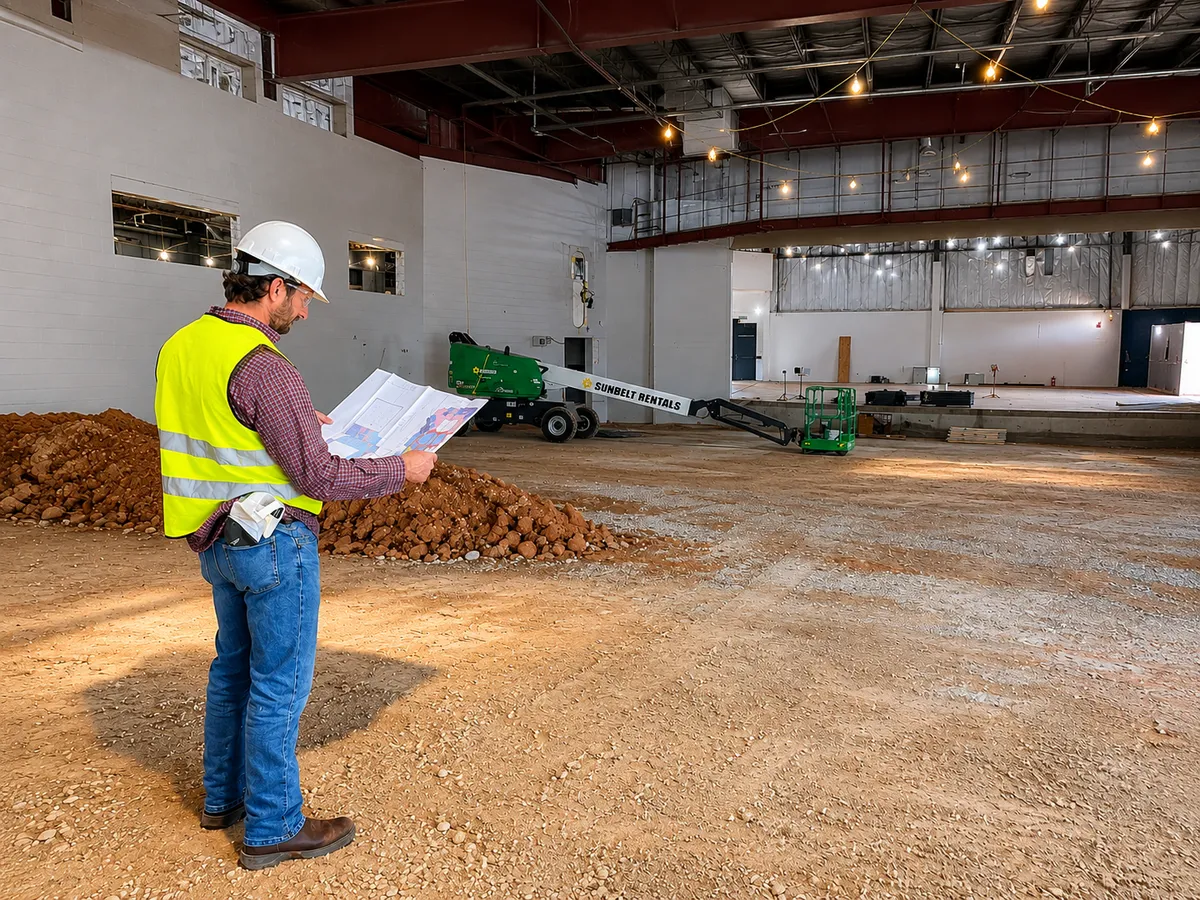
Preconstruction & Planning
Successful flooring projects begin long before installation. We collaborate with owners, architects, designers, and contractors during budgeting, specification review, and project planning to identify opportunities, reduce risk, and keep projects moving forward.
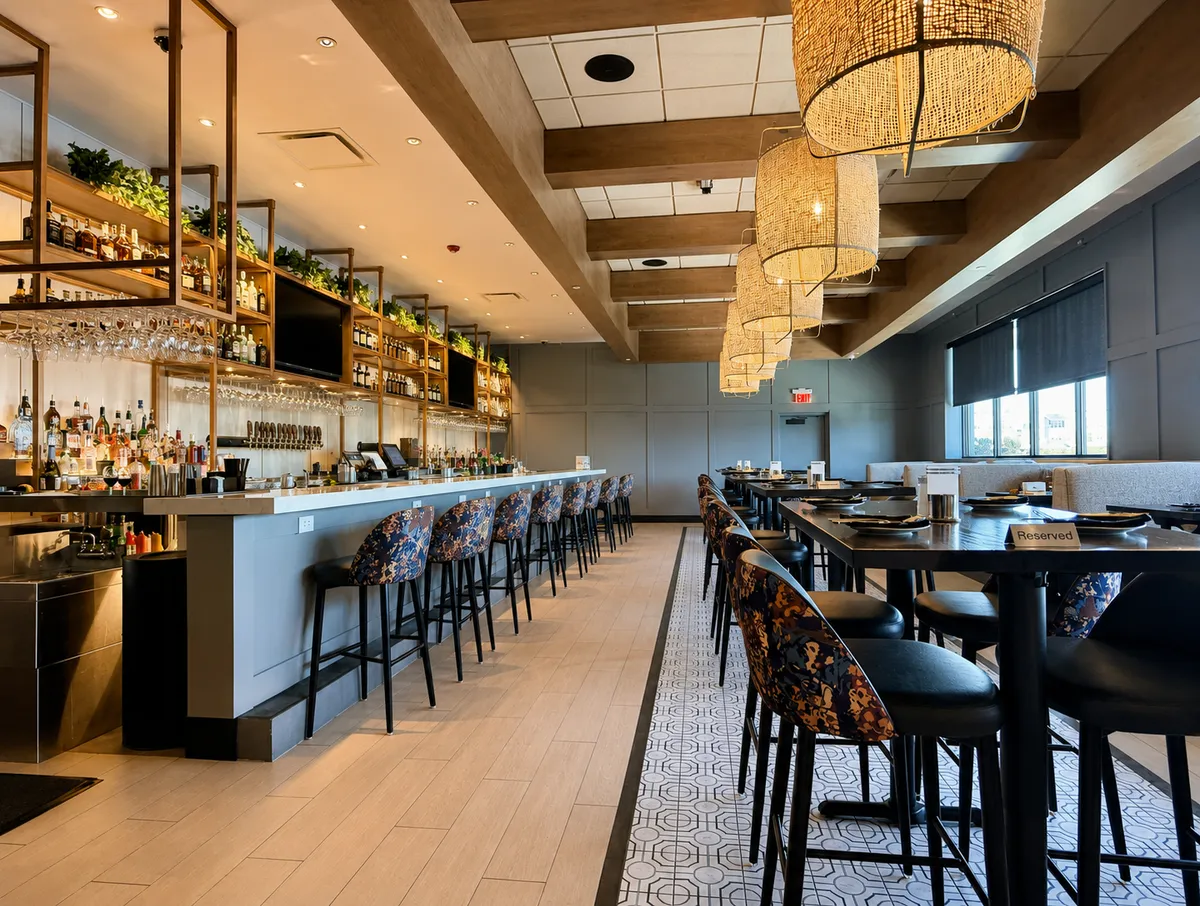
New Commercial Construction
From education and healthcare to corporate, government, and industrial facilities, we provide complete flooring solutions for new construction projects, delivering quality installations that align with project schedules and performance requirements.
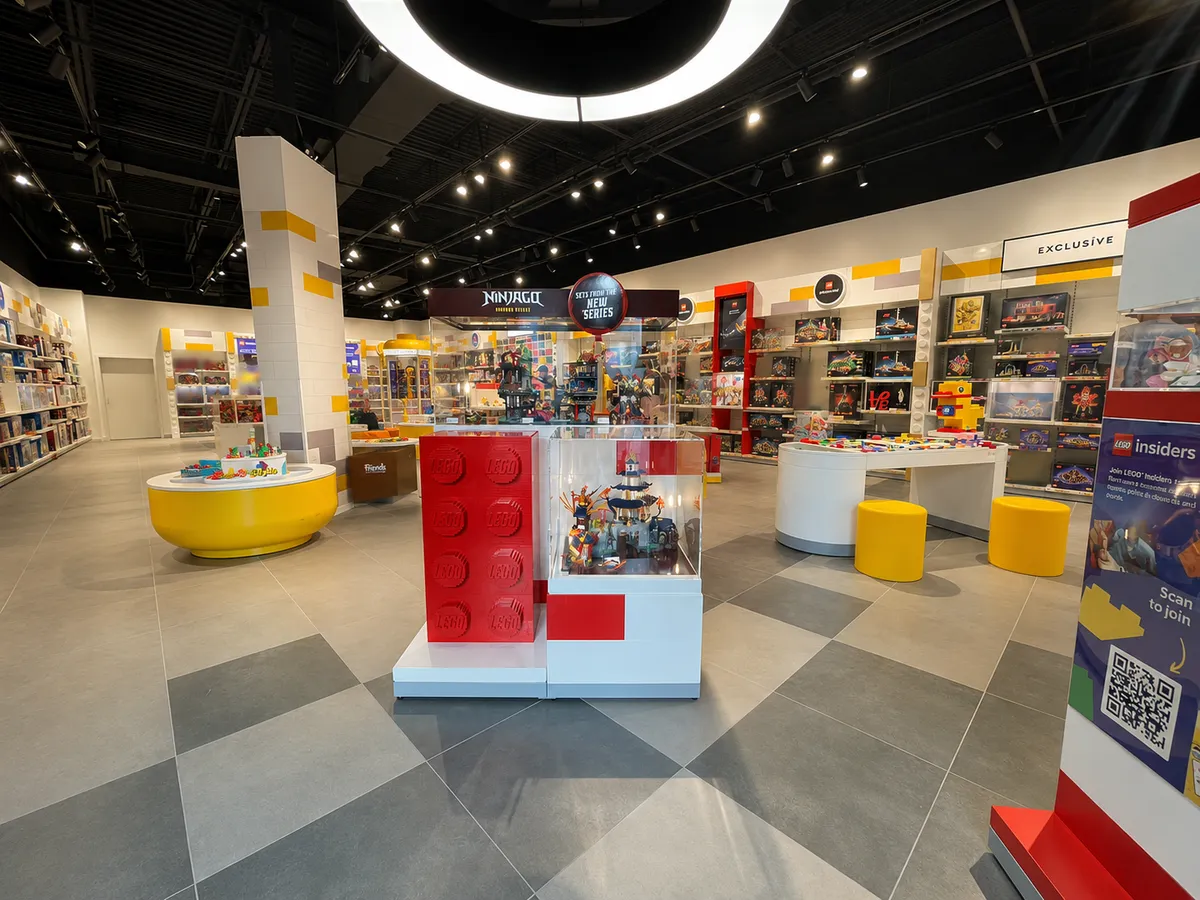
Renovation & Remodeling
Whether updating occupied spaces or revitalizing existing facilities, we help clients navigate renovation projects with minimal disruption, providing flooring solutions that enhance durability, aesthetics, and long-term value for the facilities we serve.

BUILDING LEADERS.
INSTALLING TRUST.
DELIVERING RESULTS.
Quick links
Services
© Commercial Flooring Services. 2026. All Rights Reserved.