



Markets
Church & Worship Facility Flooring Contractor
Floors That Welcome Your Congregation and Honor Every Gift
Commercial Flooring Services (CFS) installs flooring for churches and other houses of worship across North Alabama and Southern Tennessee, including sanctuaries, fellowship halls, children’s ministry areas, kitchens, classrooms, and offices. We work directly with pastors, building committees, and facilities teams, and with architects and general contractors on new buildings and expansions.
For many congregations, a flooring project is a major investment funded by the generosity of their members, and the building committee may be making this decision for the first time in a decade or more. CFS helps church leaders understand their options, plan around their budget and calendar, and choose flooring that will serve their ministry for years to come.

Churches and faith communities come to us when they need flooring that welcomes their congregation and makes the most of every dollar their members give.
We help them by recommending flooring suited to every space, from sanctuaries to children’s ministry, and scheduling work around services and events so ministry never stops.
Who Shapes Church Flooring Decisions
Pastors and Church Leadership
Senior and executive pastors care about how the building supports worship, welcomes guests, and serves the mission. They need confidence that the project is a wise use of the congregation’s resources.
Building and Finance Committees
Committees and trustees are responsible for stewardship. They compare options, manage budgets, and often fund projects through capital campaigns or in phases as gifts come in. They need clear choices, honest pricing, and a partner who explains tradeoffs plainly.
Facilities Staff and Volunteers
The people who maintain the building, whether staff or volunteers, care about cleaning, durability, and how the floor holds up to weekly use and special events.
Worship, Production, and Ministry Leaders
Worship leaders and production teams care about acoustics and how the platform looks under lights and on camera. Children’s and youth ministry leaders care about safety, cleanability, and comfort.
Denominational Offices, Architects, and Contractors
For some congregations, a diocesan or conference property office guides building decisions. On new construction and expansions, architects and general contractors deliver the project and need a flooring partner who understands church buildings.
What Church Flooring Must Do
Support Worship and Acoustics
Flooring is one of the largest surfaces in a sanctuary, and it shapes how the room sounds. Carpet absorbs sound, which reduces noise but can deaden congregational singing and music. Hard surfaces reflect sound, which can make singing feel fuller but may make speech less clear. The right answer depends on the room, the worship style, and the sound system, and many churches use a combination.
Welcome Guests
Lobbies, foyers, and gathering spaces create the first impression for every visitor. Flooring should feel welcoming, hold up to heavy Sunday traffic, and handle coffee, rain, and strollers.
Serve Many Uses
Church buildings host worship, meals, classes, weddings, funerals, recitals, and community events, often in the same rooms. Flooring has to handle rolling tables, moving chairs, and constant change.
Keep Children and Older Members Safe
Children’s areas need flooring that cleans easily and supports floor-level play. Older members and guests need slip resistance, smooth transitions, and firm surfaces that walkers and wheelchairs move across easily.
Make the Most of Every Gift
Church budgets come from the generosity of members. Flooring decisions should weigh installed cost against maintenance and replacement costs, so the investment serves the congregation for years.
Recommended Flooring by Worship Space
How CFS Installs in Occupied Healthcare Facilities
Infection Control During Construction
Construction work in healthcare facilities is governed by an Infection Control Risk Assessment (ICRA), which sets the precautions required based on the type of work and the patients nearby. CFS follows the facility’s ICRA requirements, including containment, dust control, and negative air where required.
Phased and After-Hours Installation
Hospitals can’t close units for flooring work. CFS phases installations room by room or unit by unit, schedules work after hours and on weekends, and coordinates closely with facilities and clinical teams so patient care continues.
Low-Odor, Fast-Return Installations
Patients and staff are sensitive to odors and can’t wait days for a room to return to service. CFS selects adhesives and installation methods that limit odor and allow rooms to return to use quickly.
This can also include moisture mitigation and self-leveling systems, which can be accelerated with emerging products and technology.
Moisture Testing and Substrate Preparation
Fast-track healthcare construction often puts flooring onto slabs that haven’t fully dried, and moisture is one of the most common causes of flooring failures. CFS can test slabs before installation and provide moisture mitigation and substrate remediation when readings exceed manufacturer limits.
As the only ARDEX LevelMaster Elite Installer in Alabama, CFS brings certified substrate expertise to every healthcare project.
Vendor Compliance and Credentialing
Healthcare facilities require contractors to meet vendor credentialing standards before working on-site. CFS maintains credentialing for its crews, including background checks, health and immunization documentation, and required training, so installations start on schedule.
Flooring Programs for Healthcare Systems
Service Agreements
Health systems with multiple facilities use CFS service agreements for ongoing repairs, room renovations, and replacements. Service agreements provide approved products, predetermined pricing, and a single point of contact across campuses.
System-Wide Standards
CFS helps healthcare systems maintain consistent flooring standards across hospitals, clinics, and outpatient facilities, including approved products, attic stock for fast repairs, and consistent installation details.
Group Purchasing Organization (GPO) Contracts
Many hospitals and health systems purchase through group purchasing organizations such as Vizient, Premier, and HealthTrust, which hold contracts with flooring manufacturers. CFS installs GPO-contracted flooring products, helping healthcare supply chain teams use their contracted pricing and stay in compliance with their purchasing agreements.
Healthcare Flooring Projects





Healthcare Flooring FAQs
What is the best flooring for hospitals?
Hospitals typically use sheet vinyl and rubber in clinical areas because they are seamless or heat-welded, easy to disinfect, and durable under rolling loads. Carpet tile and LVT are common in waiting areas and offices. CFS recommends systems based on each space’s infection control, traffic, and maintenance needs.
What flooring is used in operating rooms?
Operating rooms typically use sheet vinyl or rubber with heat-welded seams and integral flash cove base, which creates a continuous surface from floor to wall that is easy to disinfect.
How do you install flooring in an occupied hospital?
CFS installs flooring in occupied hospitals by following the facility’s Infection Control Risk Assessment (ICRA), using containment and dust control as required, and phasing work room by room or unit by unit, often after hours, so patient care can continue.
What is ICRA in healthcare construction?
ICRA stands for Infection Control Risk Assessment. It is a process healthcare facilities use to determine the precautions required during construction, based on the type of work and the vulnerability of patients nearby.
Can hand sanitizer damage hospital flooring?
Yes. Alcohol-based hand rub that drips beneath dispensers can stain or soften some vinyl and rubber flooring over time. Choosing flooring rated for chemical resistance and using drip trays beneath dispensers helps prevent damage.
What flooring is required for USP 797 and USP 800 pharmacies?
Compounding pharmacies require smooth, impervious, and cleanable flooring, typically seamless resinous flooring or heat-welded sheet vinyl with integral cove base. Requirements should be confirmed with the pharmacy’s design team and applicable regulations.
Is rubber or sheet vinyl better for hospital corridors?
Both perform well. Rubber offers superior comfort and noise reduction and often requires no floor finish, while sheet vinyl typically has a lower installed cost. The best choice depends on the facility’s priorities and cleaning program.
Can hospitals purchase flooring through Vizient or other GPOs?
Yes. Group purchasing organizations such as Vizient, Premier, and HealthTrust hold contracts with flooring manufacturers, allowing member hospitals to buy those products at contracted pricing. CFS installs GPO-contracted flooring products for healthcare facilities across North Alabama and Southern Tennessee.
Does CFS work at hospitals outside Huntsville?
Yes. CFS installs healthcare flooring throughout North Alabama and Southern Tennessee.
Planning a Healthcare Flooring Project?
Whether you’re renovating patient rooms, upgrading a surgical suite, or planning flooring across a health system, CFS can help you choose the right systems and install them safely in an active facility.

Built to Support Your Project from Precon to Closeout
Commercial flooring impacts schedule, budget, and long-term performance. We at Commercial Flooring Services work alongside owners, architects, designers, and general contractors to provide the planning, preparation, and installation expertise needed to deliver successful outcomes across every phase of construction.
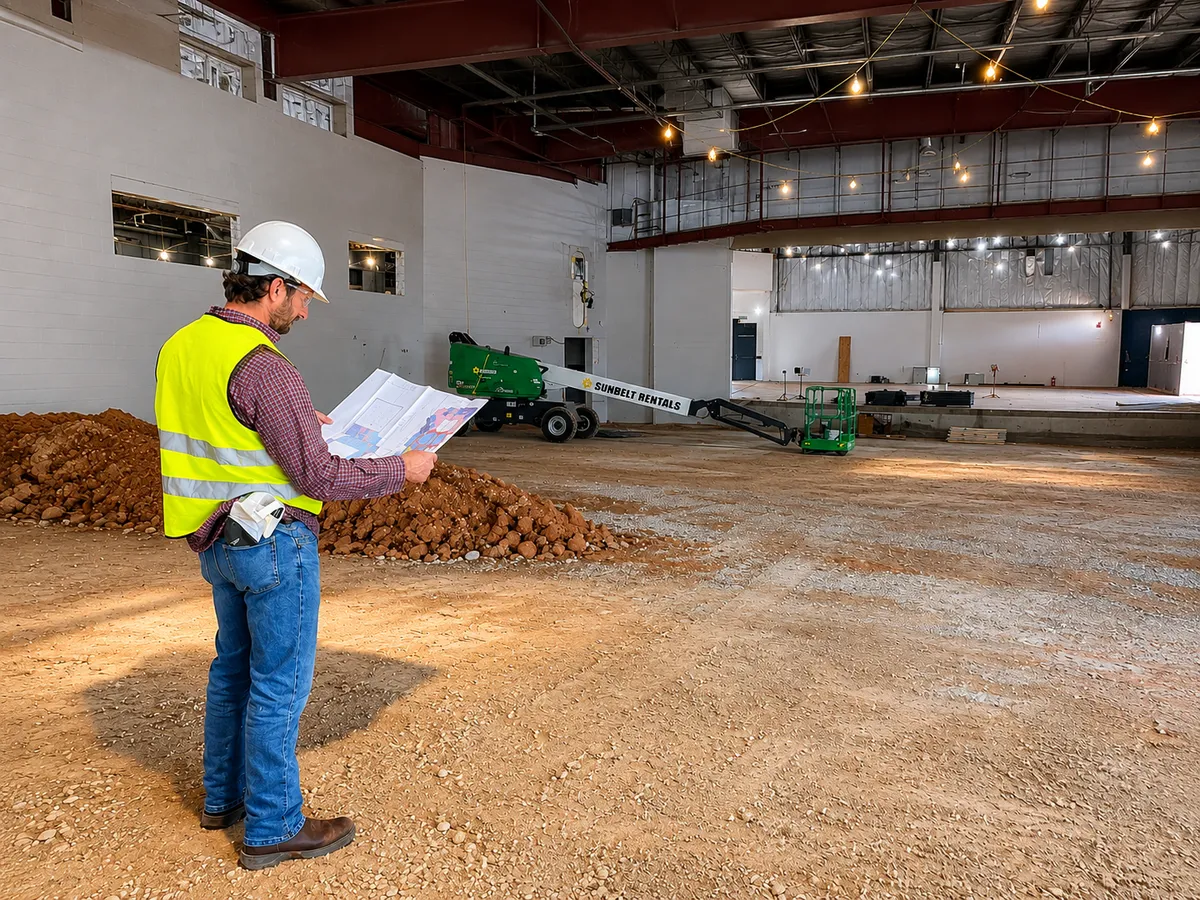
Preconstruction & Planning
Successful flooring projects begin long before installation. We collaborate with owners, architects, designers, and contractors during budgeting, specification review, and project planning to identify opportunities, reduce risk, and keep projects moving forward.
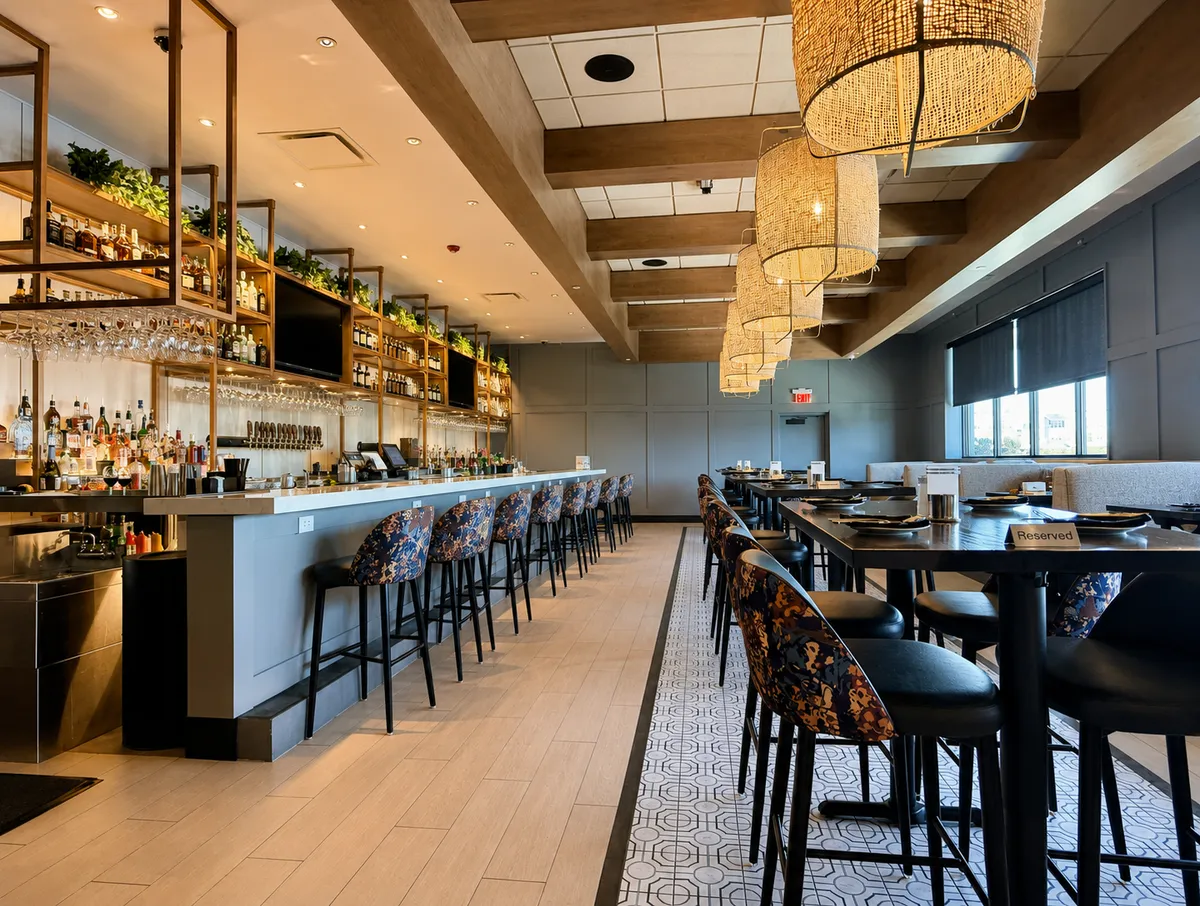
New Commercial Construction
From education and healthcare to corporate, government, and industrial facilities, we provide complete flooring solutions for new construction projects, delivering quality installations that align with project schedules and performance requirements.
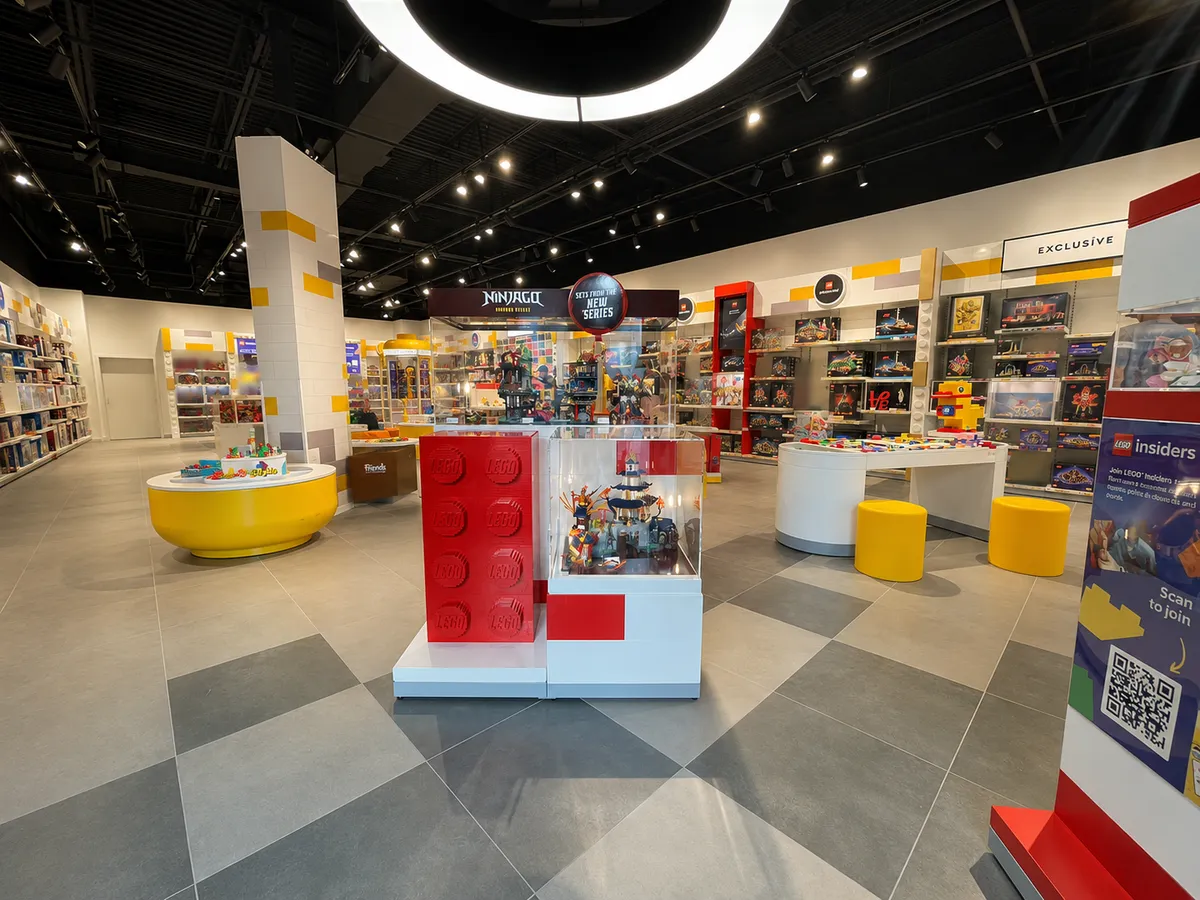
Renovation & Remodeling
Whether updating occupied spaces or revitalizing existing facilities, we help clients navigate renovation projects with minimal disruption, providing flooring solutions that enhance durability, aesthetics, and long-term value for the facilities we serve.

BUILDING LEADERS.
INSTALLING TRUST.
DELIVERING RESULTS.
Quick links
Services
© Commercial Flooring Services. 2026. All Rights Reserved.