



Markets
Industrial & Technical Flooring Contractor
Floors Built for Production, Not Just Appearance
Commercial Flooring Services (CFS) installs flooring for manufacturing plants, warehouses and distribution centers, food and beverage facilities, laboratories, and clean rooms across North Alabama and Southern Tennessee. From the production floor to the offices, break rooms, and locker rooms, CFS can deliver flooring for an entire facility under one contract.
In industrial facilities, the floor is part of the operation. A failed coating can stop a production line, contaminate a food plant, or create a safety hazard. Every hour a floor is out of service costs money. CFS selects systems based on the actual conditions they’ll face and plans installation around the production schedule. For data centers, operations centers, and electronics test environments, see our Defense & Mission Critical flooring page.

Manufacturers, warehouses, and technical facilities come to us when they need floors that stand up to chemicals, heavy loads, and nonstop operations.
We help them by recommending flooring systems engineered for their conditions and completing installations within tight shutdown windows to minimize downtime.
Who Shapes Industrial Flooring Decisions
Plant and Operations Managers
Operations leaders measure flooring by downtime. They need floors that last, installations that fit within shutdown windows, and a contractor who finishes on schedule.
Maintenance and Facilities Managers
Maintenance teams live with the floor every day. They care about repairs, cleanability, joint damage, and how often the floor needs attention.
Safety and EHS Managers
Safety managers focus on slip resistance, clearly marked aisles and walkways (lines of demarcation), and keeping walking surfaces free of hazards.
Quality and Compliance Teams
In food, beverage, and life science facilities, quality teams need floors that support sanitation programs and hold up to inspection.
Engineers, Owners, and Contractors
Engineers and design-build teams specify floors for new plants and expansions, and owners of speculative industrial buildings want floors that appeal to future tenants.
What Industrial Flooring Must Do
Resist Chemicals
Oils, solvents, acids, cleaning chemicals, and process fluids attack the wrong flooring. Selecting a system starts with a list of every chemical the floor will see, including concentration and how long spills sit before cleanup.
Withstand Impact, Abrasion, and Heavy Loads
Forklifts, pallet jacks, dropped parts, and steel wheels wear floors quickly, especially at joints, docks, and turning areas.
Handle Heat, Water, and Thermal Shock
Food and beverage plants and washdown areas expose floors to hot water, steam, and rapid temperature changes that crack many coatings.
Keep People Safe
Floors need appropriate slip resistance for the contaminants present, and aisles and walkways must be clearly marked for pedestrian and equipment traffic.
Support Sanitation
Food processing, pharmaceutical, and clean environments need seamless, cleanable floors that drain properly and leave nowhere for contamination to collect.
Return to Service Quickly
Many industrial floors must be installed during weekend or holiday shutdowns. System selection and installation planning determine whether the floor is ready when production restarts.
Recommended Flooring by Space
Choosing an Industrial Floor System
The right system depends on the chemicals, temperatures, traffic, sanitation requirements, and shutdown window, and many facilities use different systems in different areas.
Based on the system you select, you will find recommendations below for their best use and some of the tradeoffs you might experience relative to your environment or needs.
Why Industrial Floor Coatings Fail
Most coating failures come from three causes: inadequate surface preparation, moisture in the concrete, and a system that doesn’t match the conditions.
Surface Preparation
Coatings need a clean, sound surface with the right profile to bond. CFS prepares concrete by shot blasting or diamond grinding to the surface profile the system requires, removing contaminants, weak concrete, and old coatings.
Moisture
Moisture vapor rising through a slab on grade can cause coatings to blister and lose adhesion. CFS tests slab moisture before installation and recommends moisture-tolerant systems or moisture mitigation when readings require it.
The Wrong System is Specified
A coating that performs well in a warehouse may fail in a food plant. CFS selects systems based on documented chemical exposure, temperatures, traffic, and cleaning methods.
As the only ARDEX LevelMaster Elite Installer in Alabama, CFS brings certified substrate expertise to every industrial project.
How CFS Installs in Operating Facilities
Shutdown-Window Installation
CFS plans installations around weekend, holiday, and scheduled shutdowns, sequencing areas and selecting fast-cure systems where needed so floors are ready when production restarts.
Phased Work in Live Facilities
When a plant can’t shut down, CFS phases work area by area, coordinating with operations on containment, traffic routing, and ventilation.
Joint Protection and Repairs
Damaged joints are one of the most common industrial floor problems. CFS fills and repairs control joints with semi-rigid fillers that support forklift wheels and protect joint edges.
Safety Striping and Markings - Lines of Demarcation
CFS installs aisle striping, walkway markings, and safety zones as part of the floor system, so traffic patterns are clear from day one.
Industrial Flooring Projects





Industrial Flooring FAQs
What is the difference between epoxy and urethane cement flooring?
Epoxy offers strong chemical and abrasion resistance and is common in manufacturing and warehouses. Urethane cement handles thermal shock, hot water, and constant moisture, making it the standard for food and beverage plants, washdown areas, and freezers.
How long does an industrial floor coating take to cure?
It depends on the system and the temperature. Fast-cure systems such as MMA can return to service in hours, while many epoxy systems need a day or more for light traffic and longer for full chemical resistance. CFS selects systems to fit the facility’s shutdown window.
Are there alternative to floor coatings (such as epoxy) in industrial facilities?
Yes. Heavy-duty sheet and tile flooring, such as slip-resistant safety vinyl, recycled PVC flooring, and interlocking industrial tiles, can be better choices when a slab is damaged, has moisture problems, or the shutdown window is too short for a coating to cure. Interlocking tiles in particular can often be installed with minimal surface preparation and returned to service immediately.
What is the best flooring for a warehouse?
Many warehouses use polished or densified concrete because it reduces dust, handles forklift traffic, and has a low lifecycle cost. Areas with chemical exposure, such as battery charging stations, may need a resinous coating.
What flooring is required for food processing plants?
Food processing plants typically use urethane cement resinous flooring with integral cove base. It’s seamless, withstands hot water and thermal shock, and supports sanitation programs. Floors should also slope properly to drains.
Why do industrial floor coatings fail?
Most failures result from inadequate surface preparation, moisture vapor rising through the slab, or a coating system that doesn’t match the chemicals, temperatures, or traffic it faces.
How do you stop forklifts from damaging floor joints?
Control joints should be filled with a semi-rigid filler that supports forklift wheels and protects joint edges from chipping. Damaged joints should be repaired before they spread.
Can an industrial floor be installed over a weekend shutdown?
Often, yes. With the right system and a well-planned sequence, many areas can be prepared, coated, and returned to service over a weekend.
Does CFS install flooring in the offices and break rooms too?
Yes. CFS can deliver flooring for an entire facility, from the production floor to offices, break rooms, and locker rooms, under one contract.
Does CFS work outside of Huntsville?
Yes. CFS installs industrial flooring throughout North Alabama and Southern Tennessee.
Planning an Industrial Flooring Project?
Whether you’re coating a production floor, upgrading a warehouse, or planning flooring for a new plant, CFS can help you choose the right system and install it around your operation.

Built to Support Your Project from Precon to Closeout
Commercial flooring impacts schedule, budget, and long-term performance. We at Commercial Flooring Services work alongside owners, architects, designers, and general contractors to provide the planning, preparation, and installation expertise needed to deliver successful outcomes across every phase of construction.
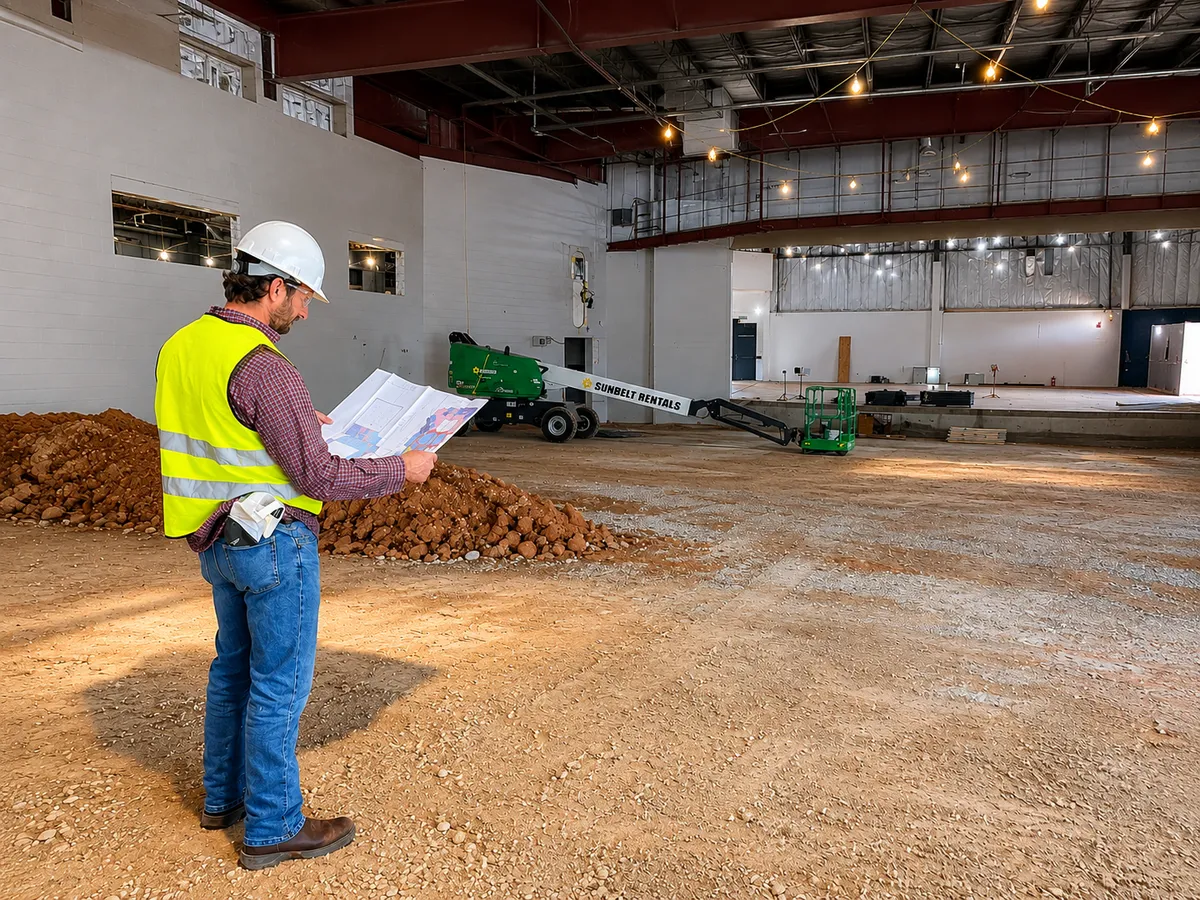
Preconstruction & Planning
Successful flooring projects begin long before installation. We collaborate with owners, architects, designers, and contractors during budgeting, specification review, and project planning to identify opportunities, reduce risk, and keep projects moving forward.
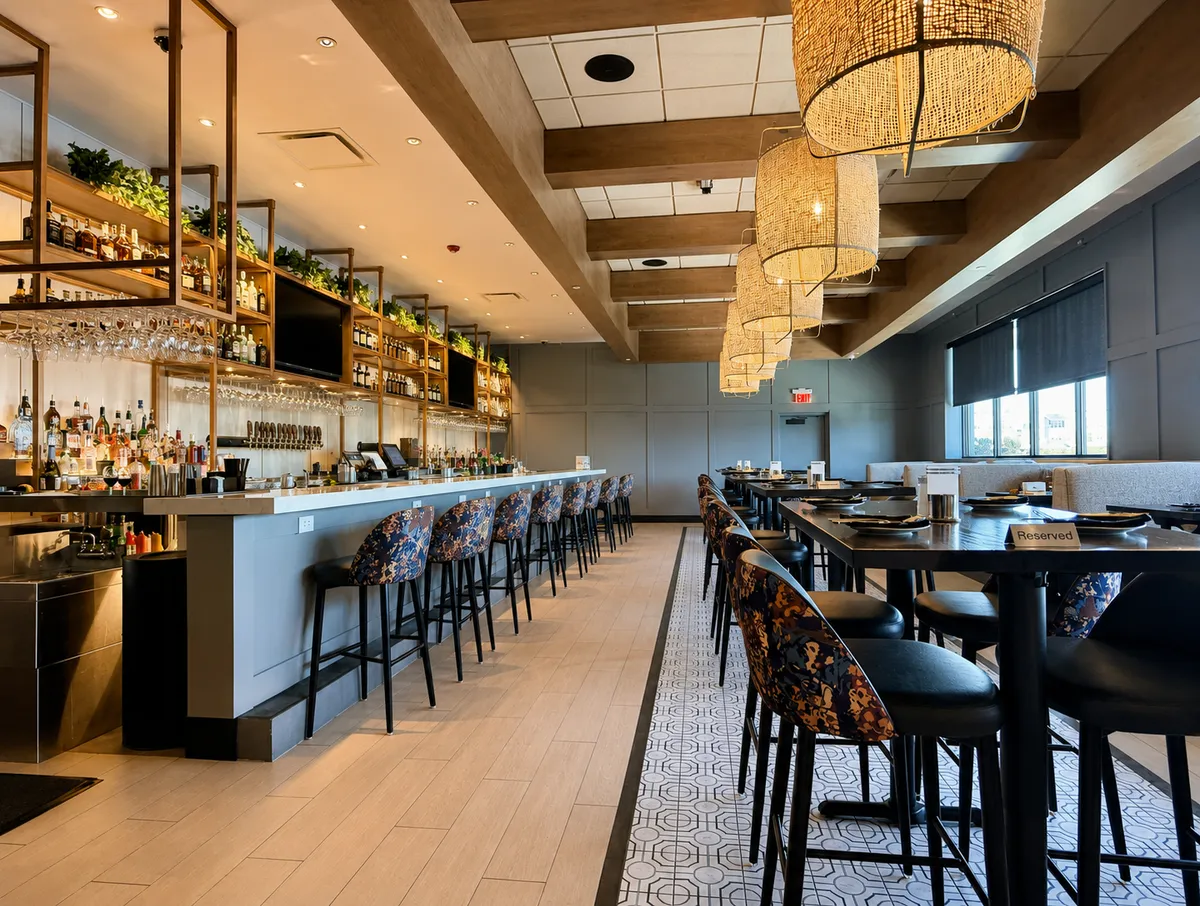
New Commercial Construction
From education and healthcare to corporate, government, and industrial facilities, we provide complete flooring solutions for new construction projects, delivering quality installations that align with project schedules and performance requirements.
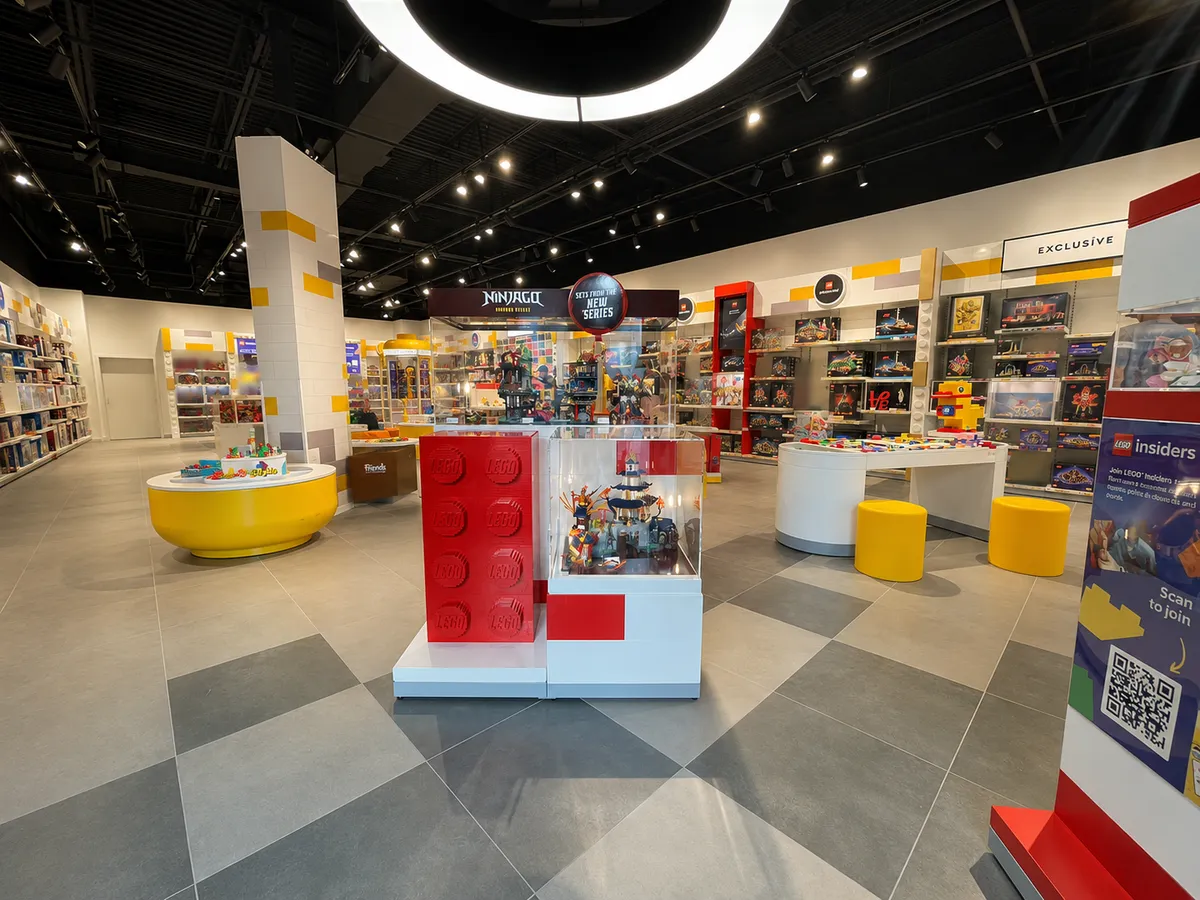
Renovation & Remodeling
Whether updating occupied spaces or revitalizing existing facilities, we help clients navigate renovation projects with minimal disruption, providing flooring solutions that enhance durability, aesthetics, and long-term value for the facilities we serve.

BUILDING LEADERS.
INSTALLING TRUST.
DELIVERING RESULTS.
Quick links
Services
© Commercial Flooring Services. 2026. All Rights Reserved.